Listen to Finding Melbourne’s Nature
Finding Melbourne’s Nature is a podcast and field-based project, built around walking conversations through reserves across Melbourne, with Traditional Owners, scientists, rangers, conservationists, and community members. Together, we explore what lives in these places, what’s changed, what needs protecting, and sometimes the paths that led people into conservation.
Recorded in the field, these conversations capture birds, wind, footsteps, and the atmosphere of each place.
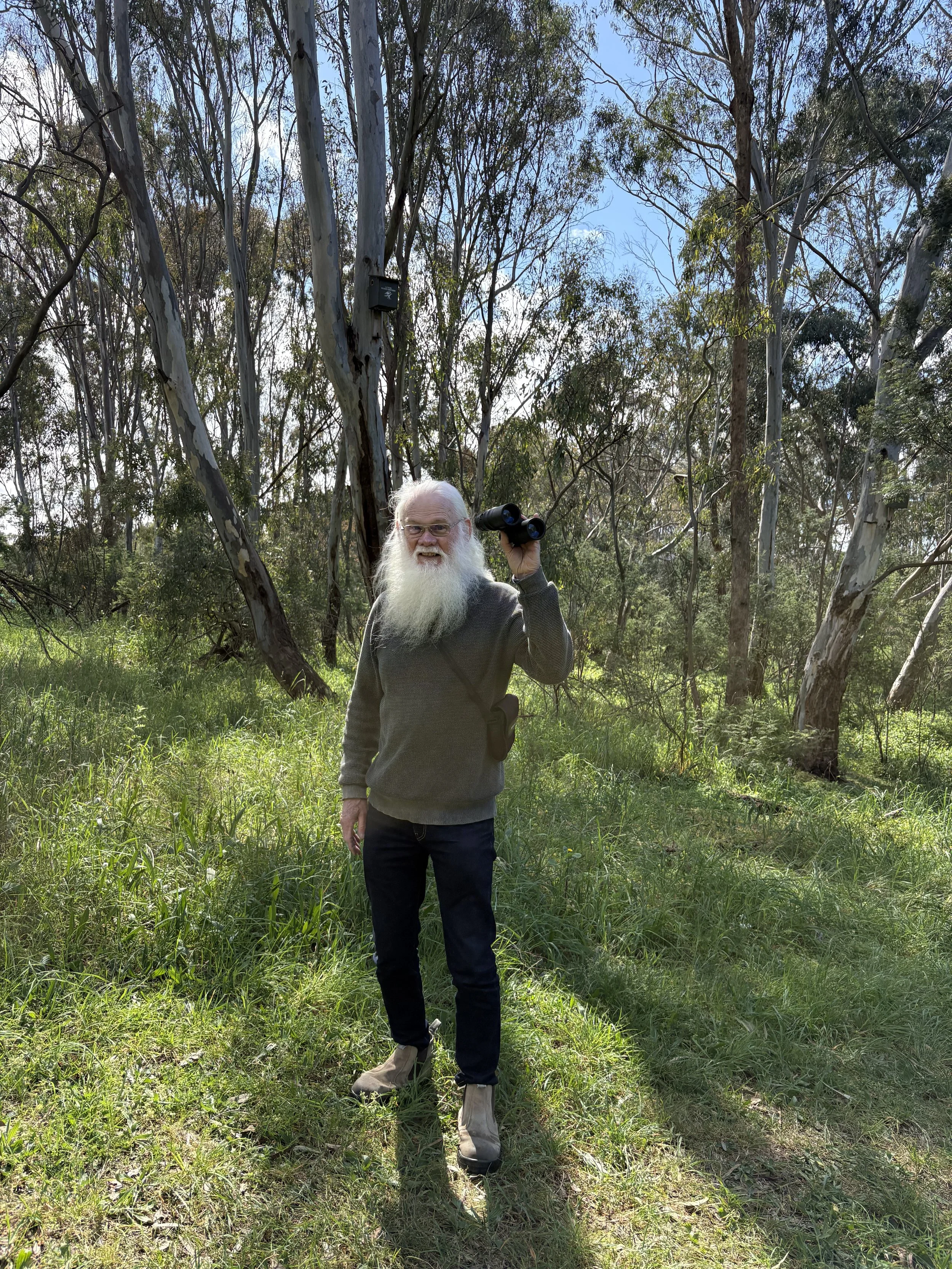
The first episode of Finding Melbourne’s Nature, recorded at Darebin Parklands with long-time ranger Peter Wiltshire, who has spent over 40 years working in the reserve. A deeply knowledgeable and respected voice in the community, Peter shares the history of the park, its restoration, and what it means to care for nature in the middle of a city.
Episode 2
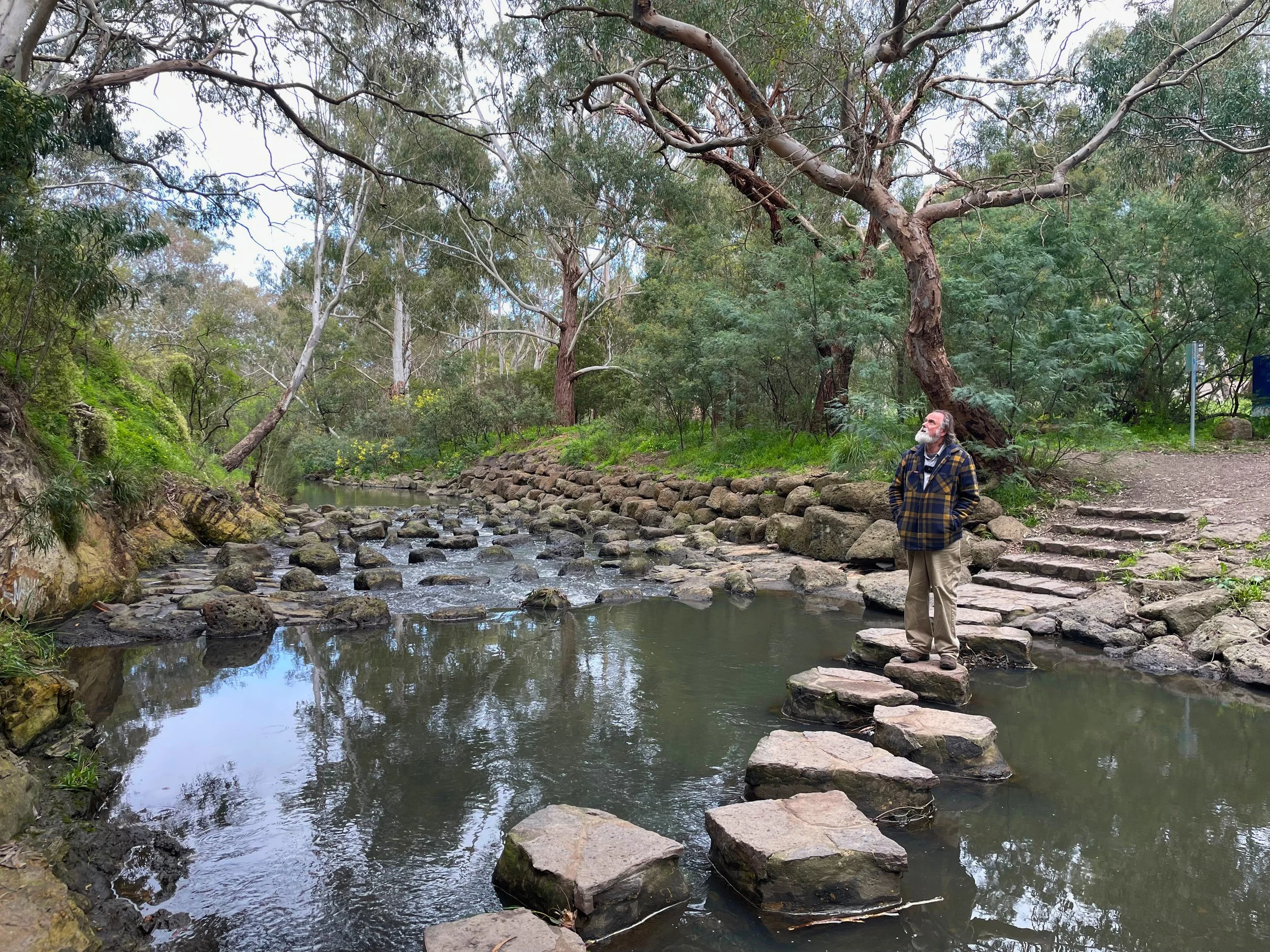
Docklands - Dr Kylie Soanes
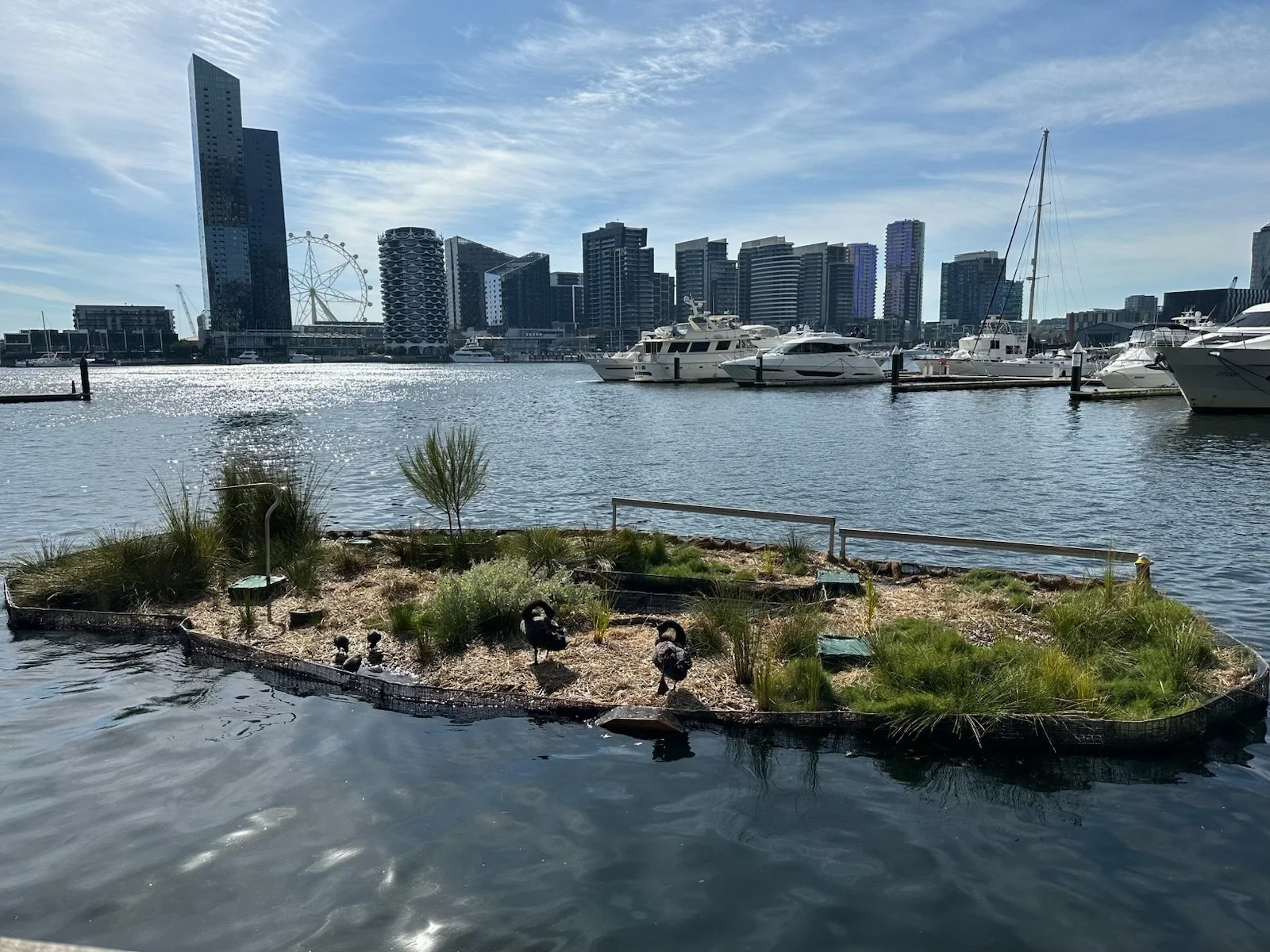
Recorded in Docklands, Melbourne/Naarm, beside the floating wetlands Kylie helped bring to life, this is not a typical conservation setting. Surrounded by concrete, water and movement, a small patch of habitat quietly doing its work.
Kylie shares how these wetlands came to be, what they’re already supporting, and what they represent in a city like Melbourne/Naarm right now.
She also reflects on her journey into conservation, and how that has shaped the way she sees cities, exploring the kinds of places we create, and how they can invite biodiversity back into urban landscapes.
Find out more and listen here:
Episode 3
Banyule Flats - Dr Jacinta Humphrey
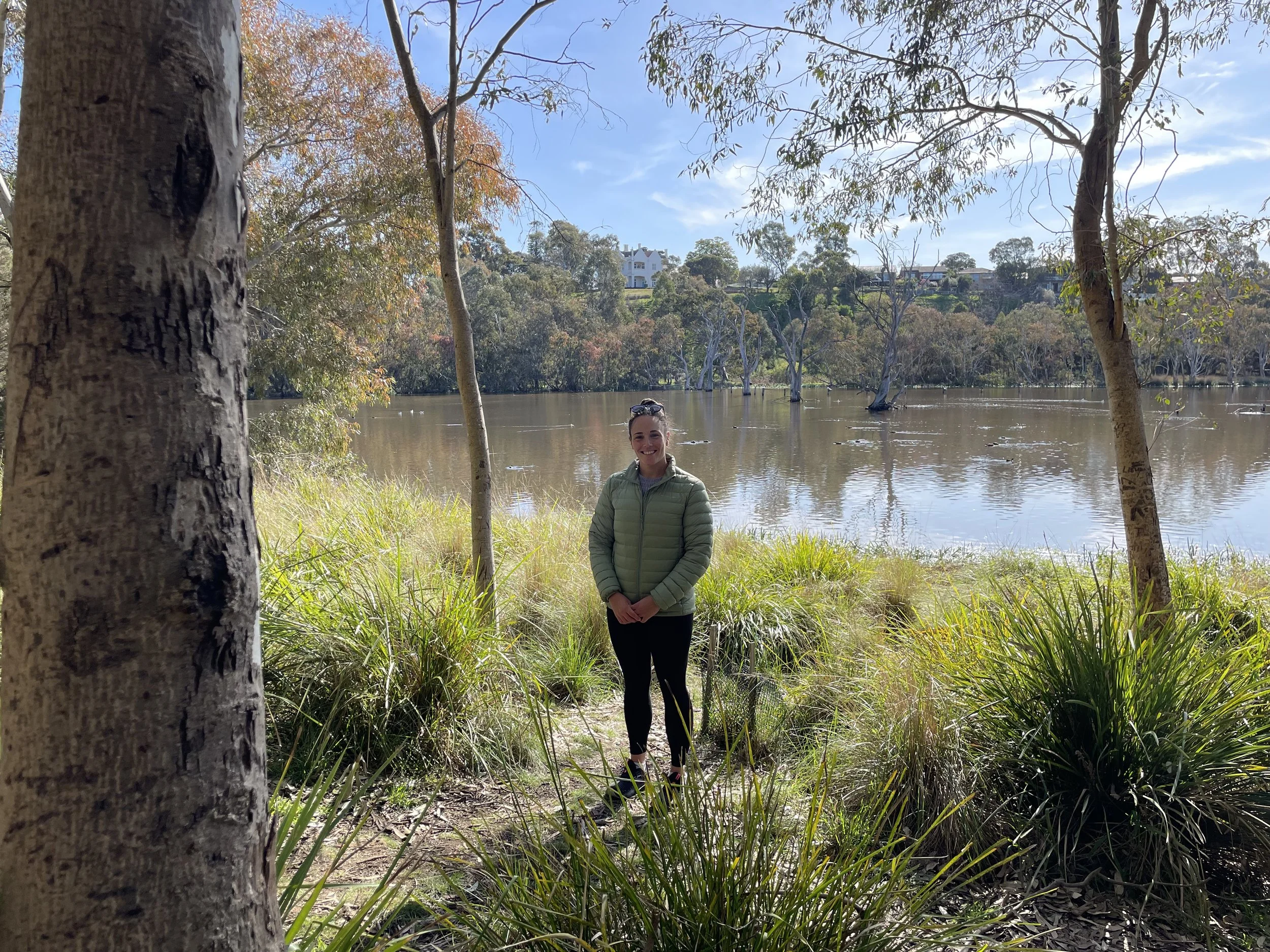
Recorded at Banyule Flats Reserve, Melbourne/Naarm, this episode follows a walk through billabongs and wetlands along the Birrarung with urban ecologist Dr Jacinta Humphrey.
Jacinta's work looks at how birds persist, adapt and sometimes thrive in cities. As we walk, she explains what urban landscapes are missing, why dense shrubs matter, how noisy miners shape the bird communities around them, and the simple things people can do in a backyard or on a balcony to support wildlife.
Find out more and listen here:
Episode 4
Westgate Park - Naomie Sunner
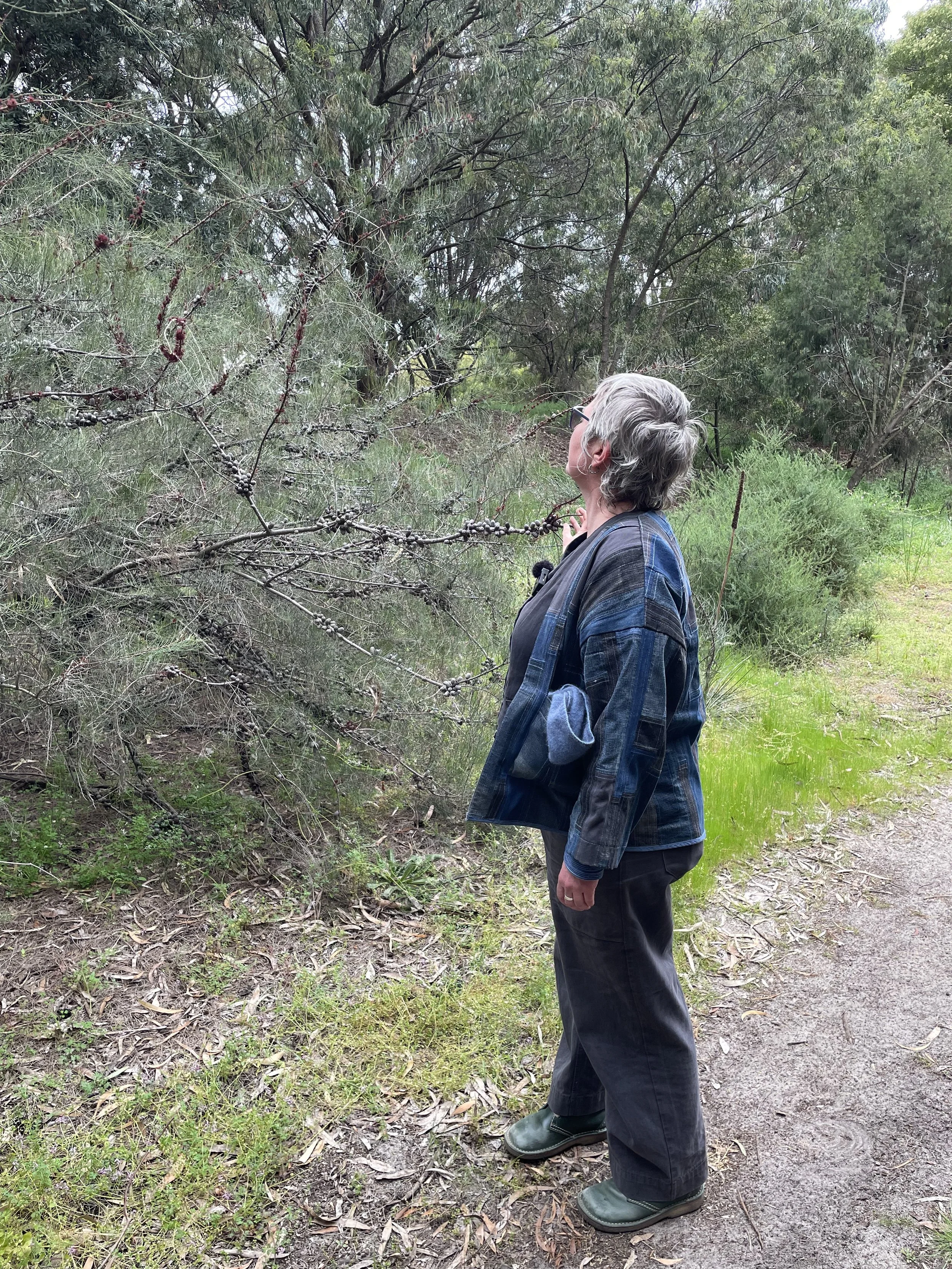
Recorded at Westgate Park in Port Melbourne, this episode follows a walk through one of Melbourne’s most remarkable urban restoration sites.
We’re joined by Naomie Sunner, who in the late 1990s led and established the Friends of Westgate Park, helping transform what was once a heavily modified, neglected landscape into the park it is today.
Naomie shares how a seven-day walk along the Birrarung brought her here, and how that moment grew into decades of community-led conservation.
Episode 5
Braeside Park - Judith Sise
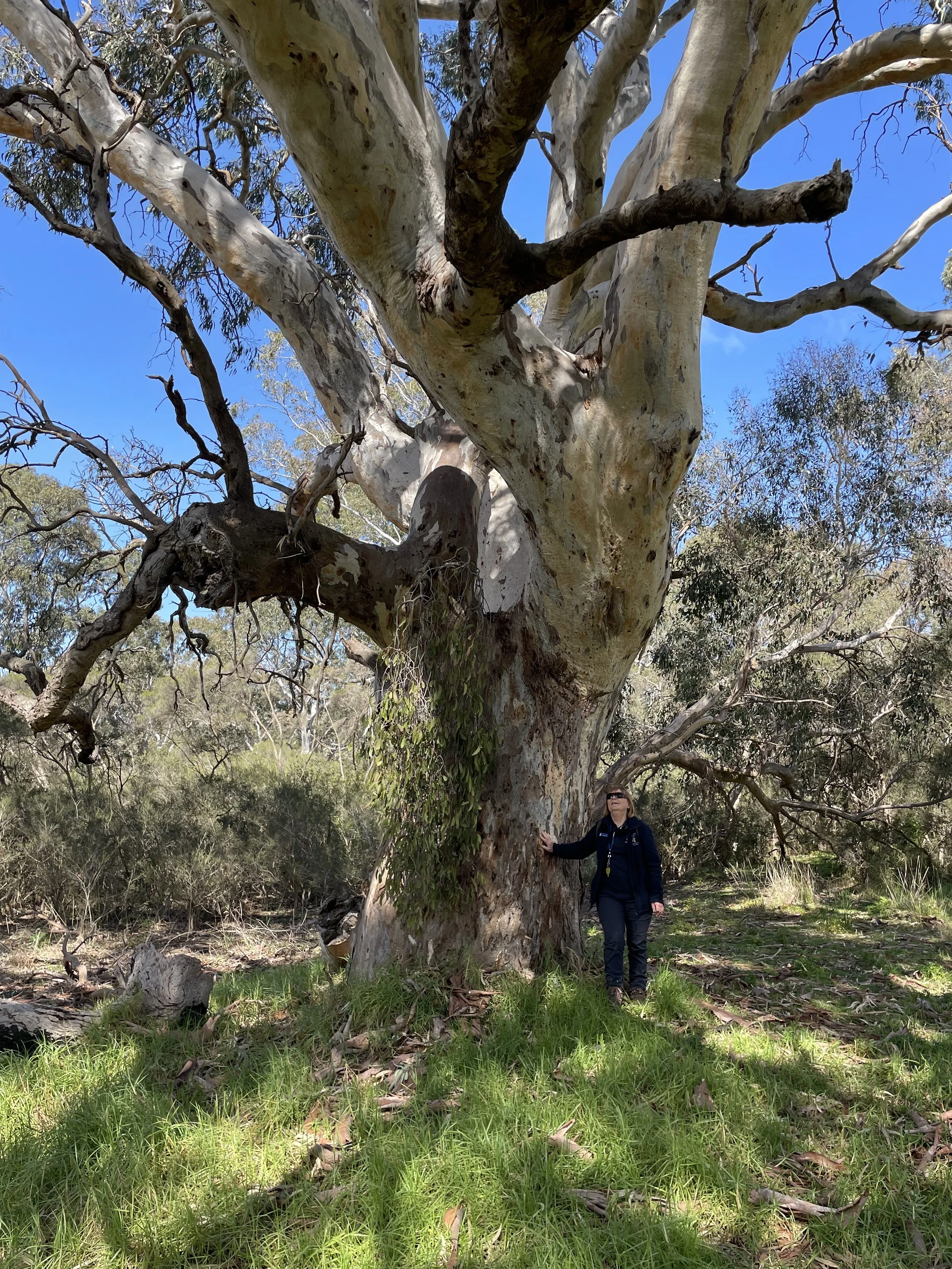
Recorded at Braeside Park in Melbourne’s south east, this episode follows a walk through wetlands, grassy woodlands and protected heathland within one of the city’s most important urban reserves.
We’re joined by Judith Sise OAM, president of the Friends of Braeside Park, who shares the changing history of the landscape, from Carrum Carrum Swamp to grazing land, sewage farming and decades of community conservation.
As we walk through the reserve, Judith reflects on old river red gums, disappearing orchids, wetlands shaped by the seasons, and the ongoing work involved in caring for a place like this.
Episode 6
St Andrews - Wendy Probert
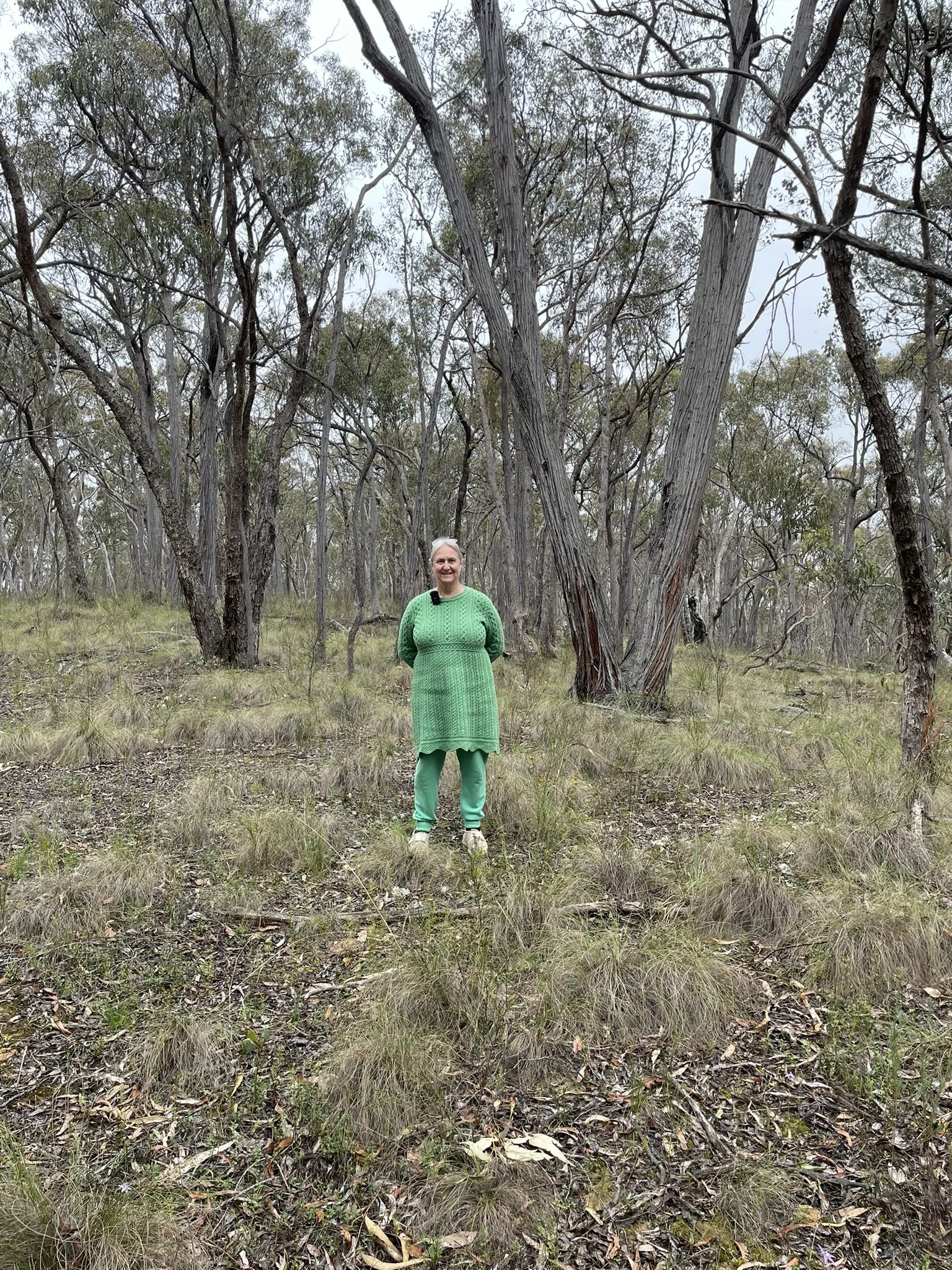
Recorded near St Andrews on Melbourne’s north-eastern edge, this episode follows a walk along roadsides that at first glance seem unremarkable, but reveal an extraordinary diversity of native orchids once you slow down and look closely.
We’re joined by Wendy Probert, a long-time member of the Australian Native Orchid Society and director of the Australian Orchid Foundation, who shares decades of knowledge about Melbourne’s orchids and the landscapes they inhabit.
As we walk, Wendy introduces the orchids growing around us, the fungi and pollinators they depend on, and the subtle relationships that make these remarkable plants possible.
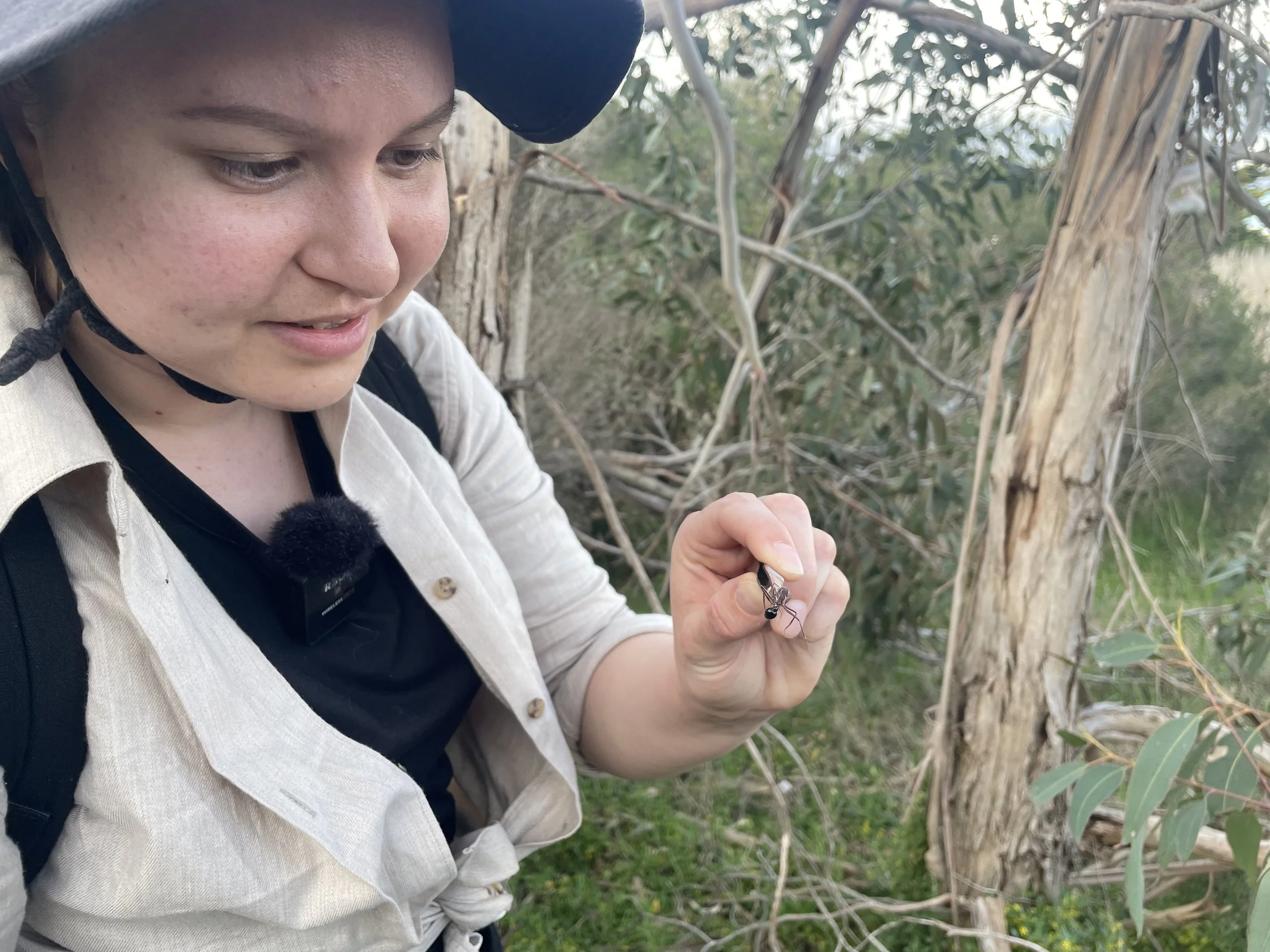
Recorded at Edithvale Seaford Wetlands, this episode follows a walk with Kinjia Munkara Murray, a proud Tiwi and Rembarrnga woman and insect enthusiast.
As we move through the wetlands, Kinjia opens up the hidden world of ants, their behaviour, their role in ecosystems, and the many small things most of us walk straight past.
We talk about Tiwi knowledge, insect ecology, pollination, soil, seeds, and why places like these wetlands matter for the creatures beneath our feet.
Episode 8
Pinkerton Forest - Daryl Akers
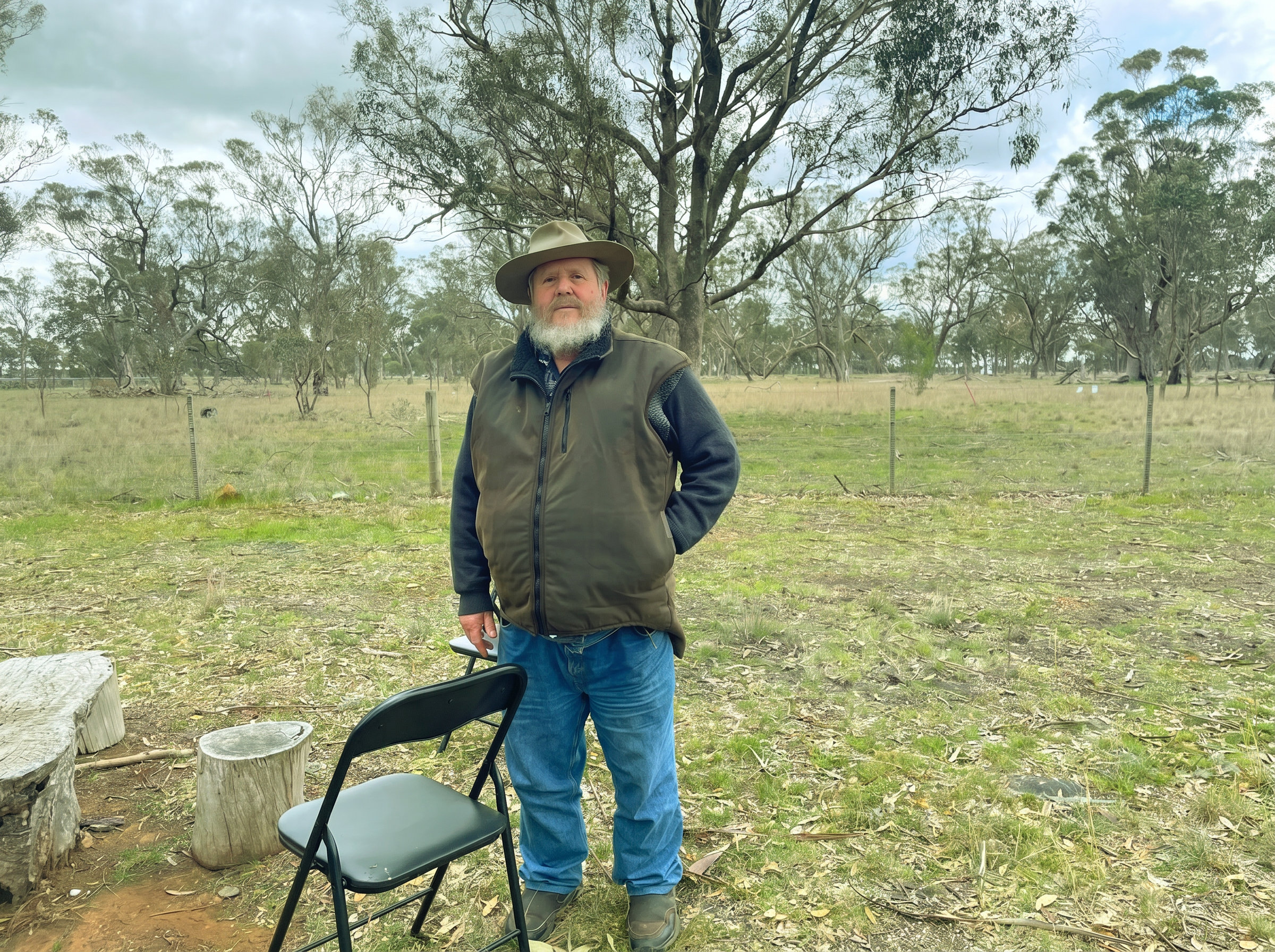
Recorded at Pinkerton Forest near Mount Cottrell, this episode follows a conversation with long-time volunteer Daryl Akers in a remarkable remnant of old-growth Grey Box woodland on the Victorian Volcanic Plain.
As birds call around us, Daryl shares the story of how the forest has been protected, the wildlife it supports, and why places like this are becoming increasingly important as Melbourne's suburban edge continues to spread.
We talk about wedge-tailed eagles, tree hollows, habitat restoration, community conservation, and the small group of volunteers helping care for this special place.
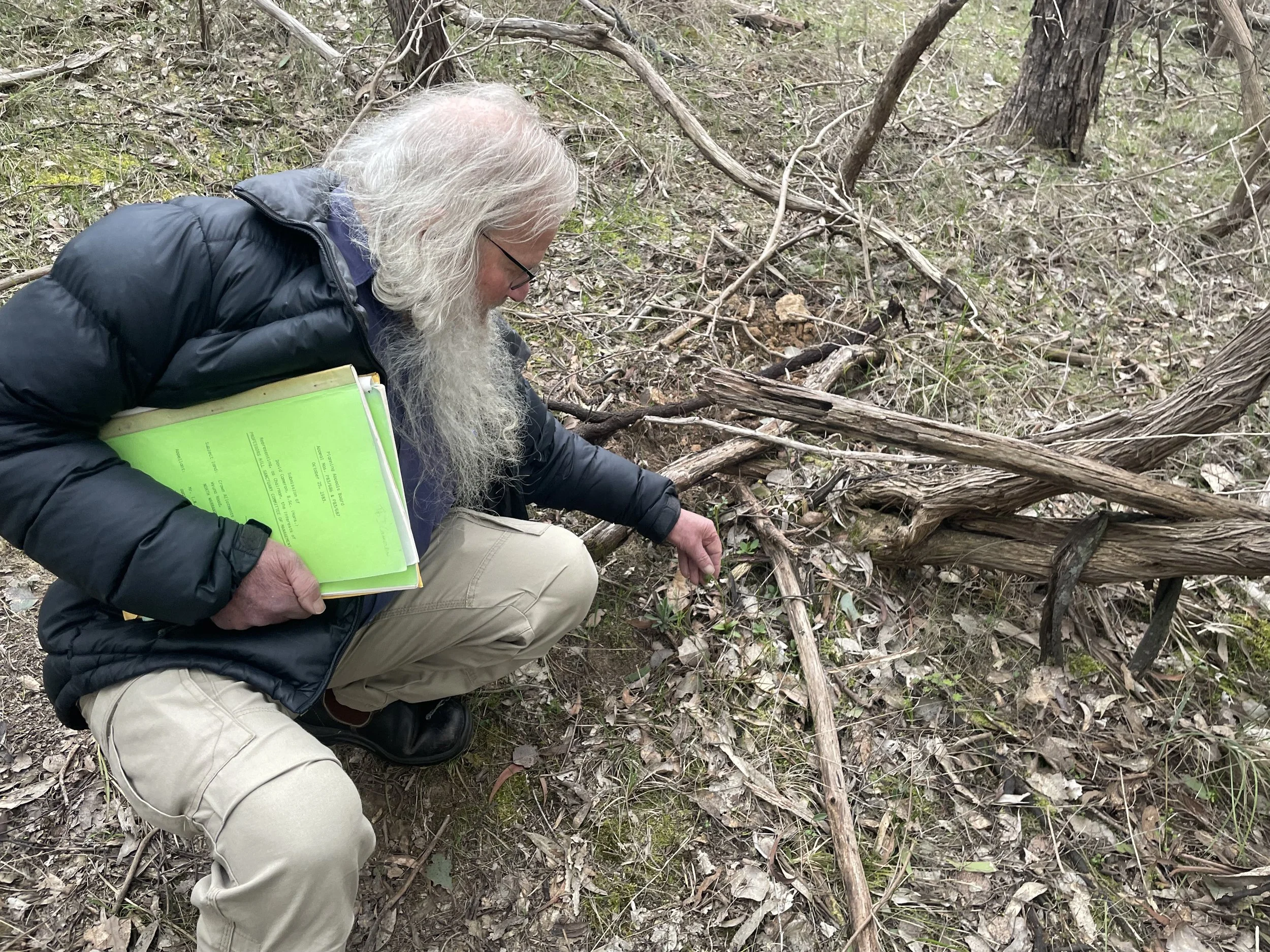
Recorded at Professor's Hill Reserve in North Warrandyte, this episode follows a walk with renowned botanist David Cameron, whose generosity, curiosity and five decades of work have inspired generations of conservationists across Victoria.
As we explore one of Nillumbik Shire's most remarkable bushland reserves, David shares the stories hidden within the landscape, from rare orchids and mosses to towering eucalypts, revealing how every plant has something to teach us.
We talk about botany, threatened plants, reading landscapes, and the community effort that helped protect Professor's Hill as a public reserve.
Episode 10
Uambi Reserve - Dr Kaori Yokochi
Recorded at Uambi Reserve in Heathmont, east of Melbourne, somewhere between the city and the Dandenong Ranges, this episode follows a walk with wildlife ecologist Dr Kaori Yokochi through one of Trust for Nature's protected reserves.
Together we explore the hidden world of Melbourne's microbats and discover why darkness is every bit as important to nature as daylight. We talk about light pollution, dark corridors, urban ecology, and the surprisingly simple things we can all do to make our suburbs better places for wildlife.
Kaori is an exceptional ecologist and educator. She has an incredible ability to explain complex ecological ideas in a way that's warm, engaging, practical and genuinely exciting. If you've ever wondered what happens in Melbourne's natural world after the sun goes down, I think you'll love this conversation.
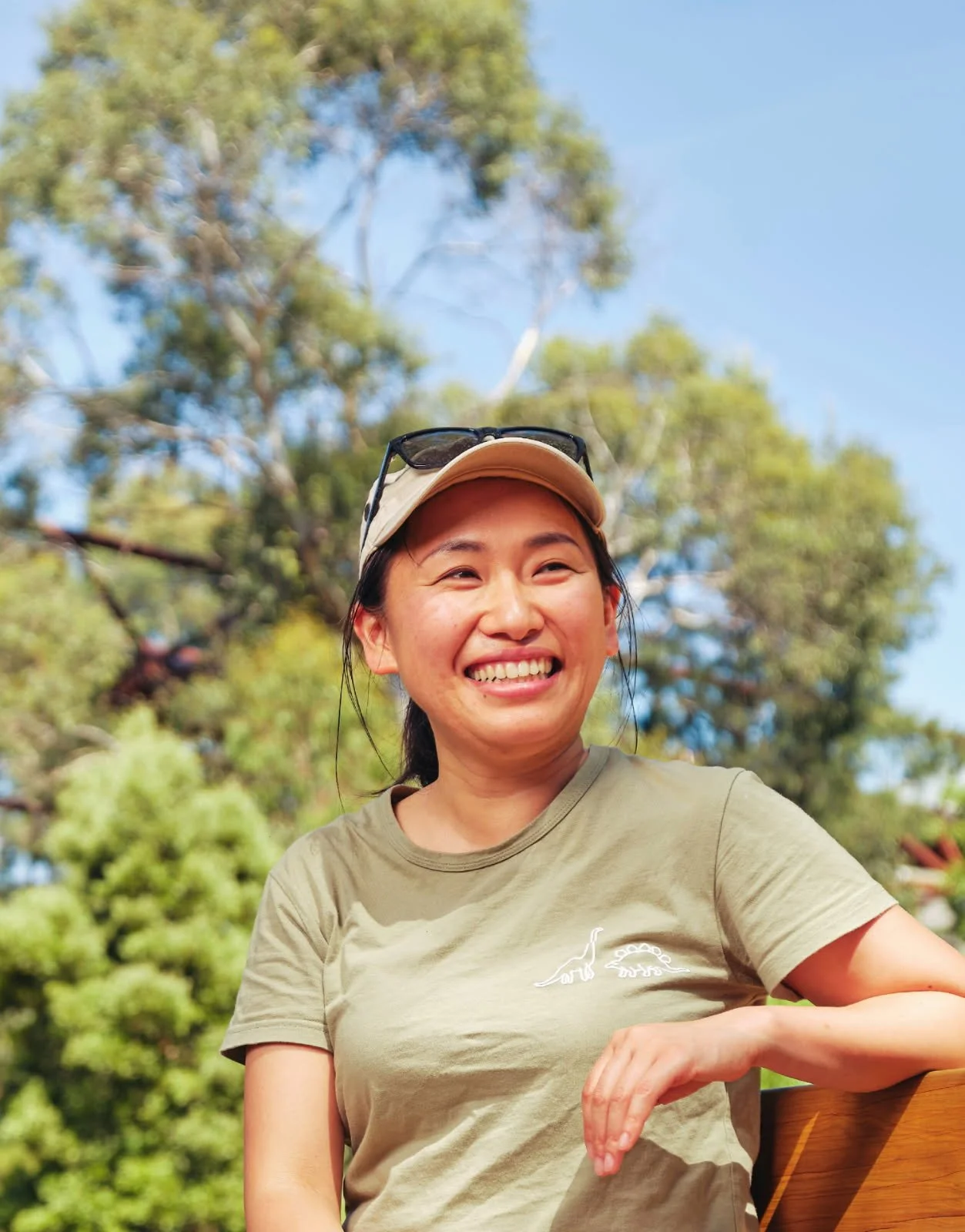
Episode 11
Gresswell Forest - George Paras
Recorded at Gresswell Forest in Bundoora, in Melbourne's north-east, this episode follows a walk with conservationist George Paras through one of the most intact patches of grassy woodland left in the region.
Together we explore more than 40 years of ecological restoration knowledge, from dormant seed banks waking after decades underground to the astonishing underground journey a single fish took to reach this reserve. We talk about patience in conservation, the hidden relationships between wattles, ants and butterflies, and what it really takes to bring a landscape back to life.
George is an exceptional conservationist and communicator. He's spent decades learning from this one patch of land and has a rare ability to explain the smallest ecological details in a way that's warm, generous and endlessly curious. If you've ever wondered what real, patient restoration looks like up close, you will get a lot out of this.
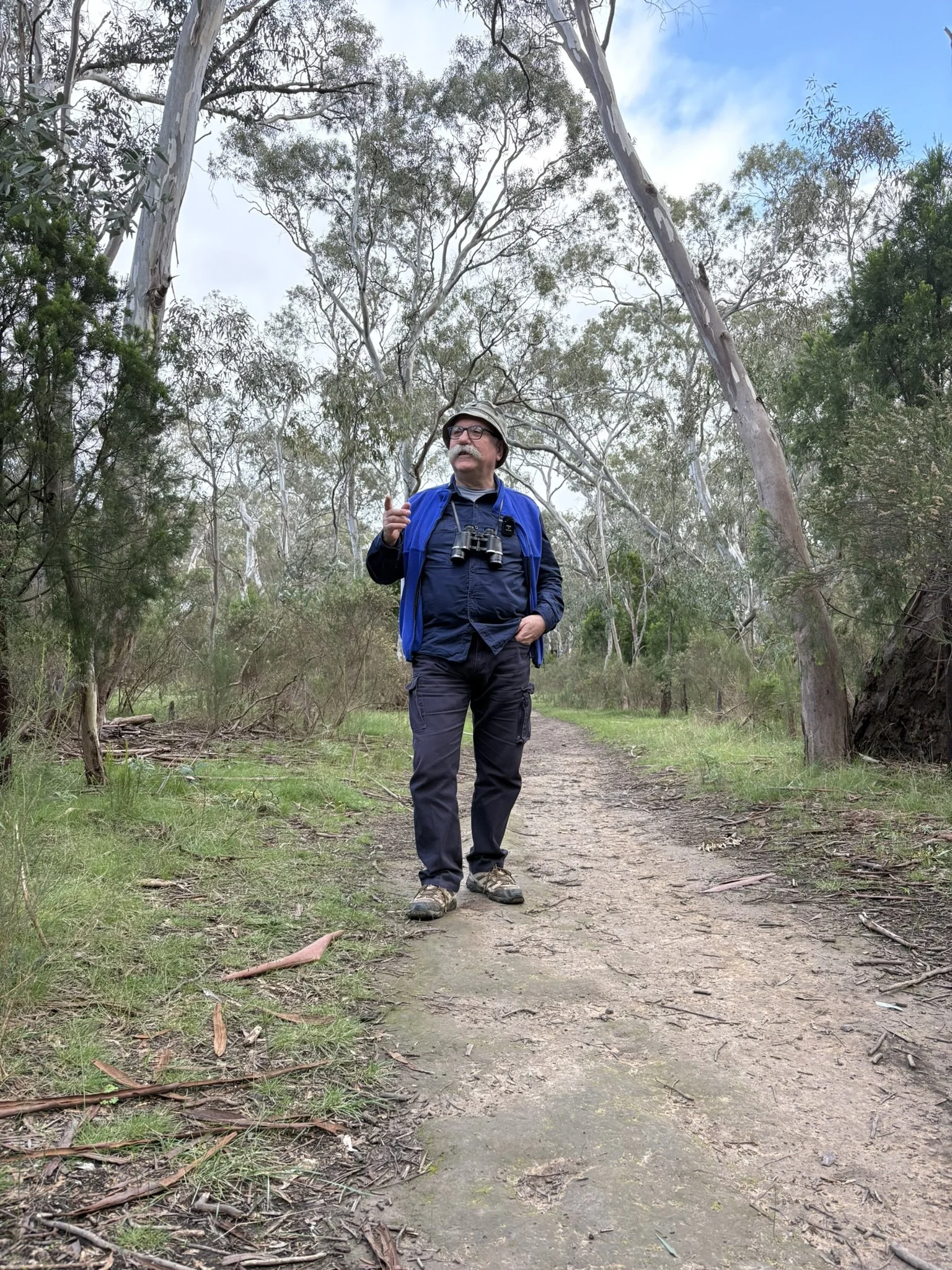
Episode 12
Newport Lakes - Dr Dominique Hes
Recorded at Newport Lakes in Melbourne's inner west, this episode follows a walk with researcher, educator and author Dr Dominique Hes through one of the city's most remarkable examples of ecological rehabilitation.
Together we explore the story of a landscape that was once native grasslands and sheoak woodland before becoming a bluestone quarry, and is now a thriving reserve for wildlife and the community. We talk about the people who fought to protect the site, why understanding the story of a place shapes the way we care for it, and what restoration looks like when a landscape can never be returned to exactly what it once was.
Dominique has a remarkable ability to connect ideas across ecology, sustainability and our relationships with place. Her warmth, curiosity and optimism make this a thoughtful conversation about hope, restoration and how people and nature can flourish together.
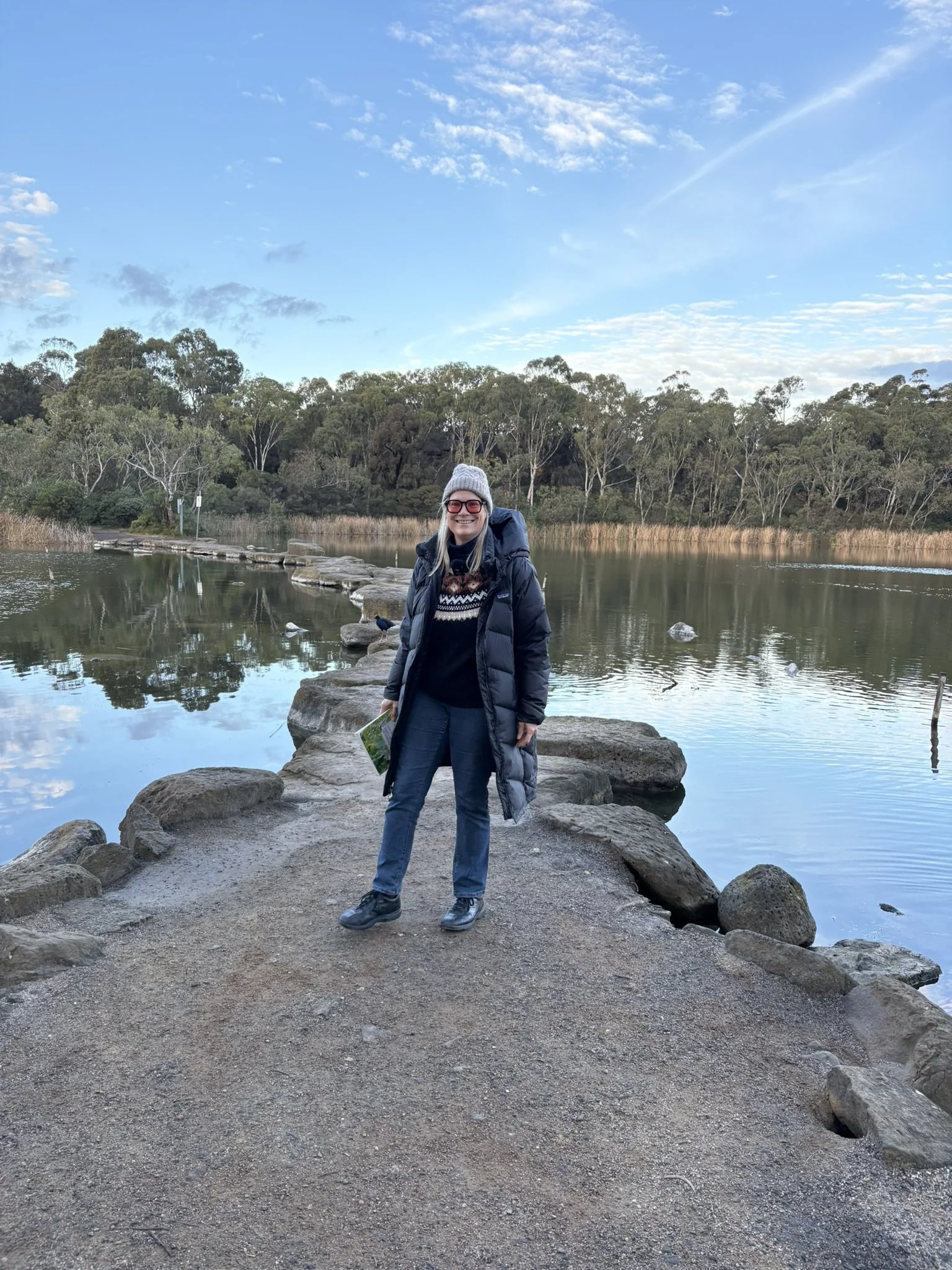
Recorded at Yellingbo Nature Conservation Area in the Yarra Valley, this episode follows a walk with senior ornithologist Bruce Quin through a remarkable landscape that is home to two critically endangered species, the Helmeted Honeyeater and the lowland population of Leadbeater’s Possum.
Together we follow Bruce on his rounds between supplementary feeding stations, encountering Helmeted Honeyeaters along the way. We explore the habitat these birds depend on, their recovery from a wild population that fell as low as 60 birds, and the extraordinary collective effort involving habitat restoration, captive breeding, genetic rescue, monitoring and supplementary feeding that has helped bring their numbers to around 230 in the wild today.
Bruce has spent more than 33 years working with the Helmeted Honeyeater, and his name has become synonymous with its recovery. His remarkable knowledge of birds, and his generosity in sharing it, make this a conversation about much more than one species. It is also a story about what decades of care, science and collaboration can teach us about protecting threatened species into the future.
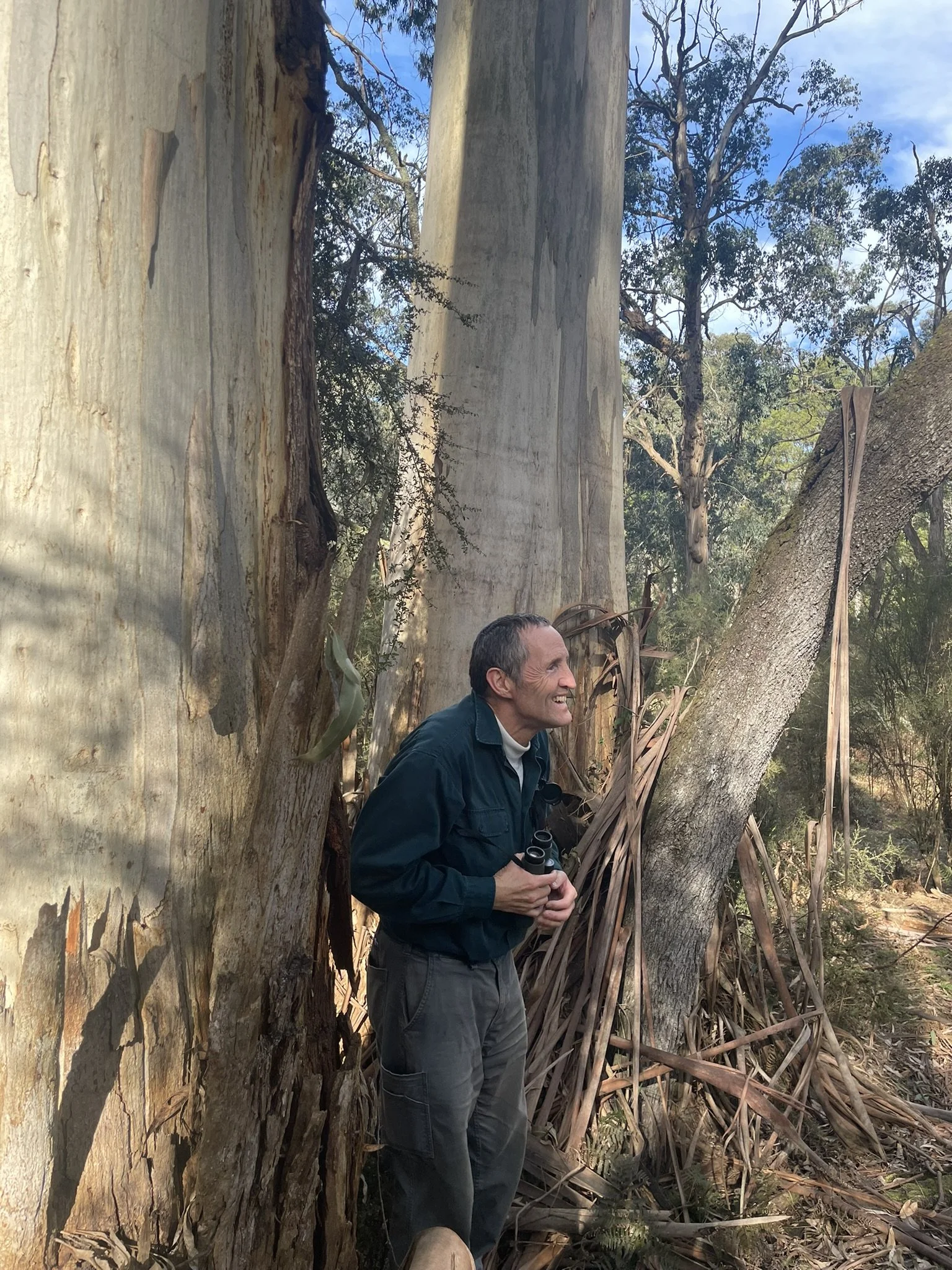
Episode 14
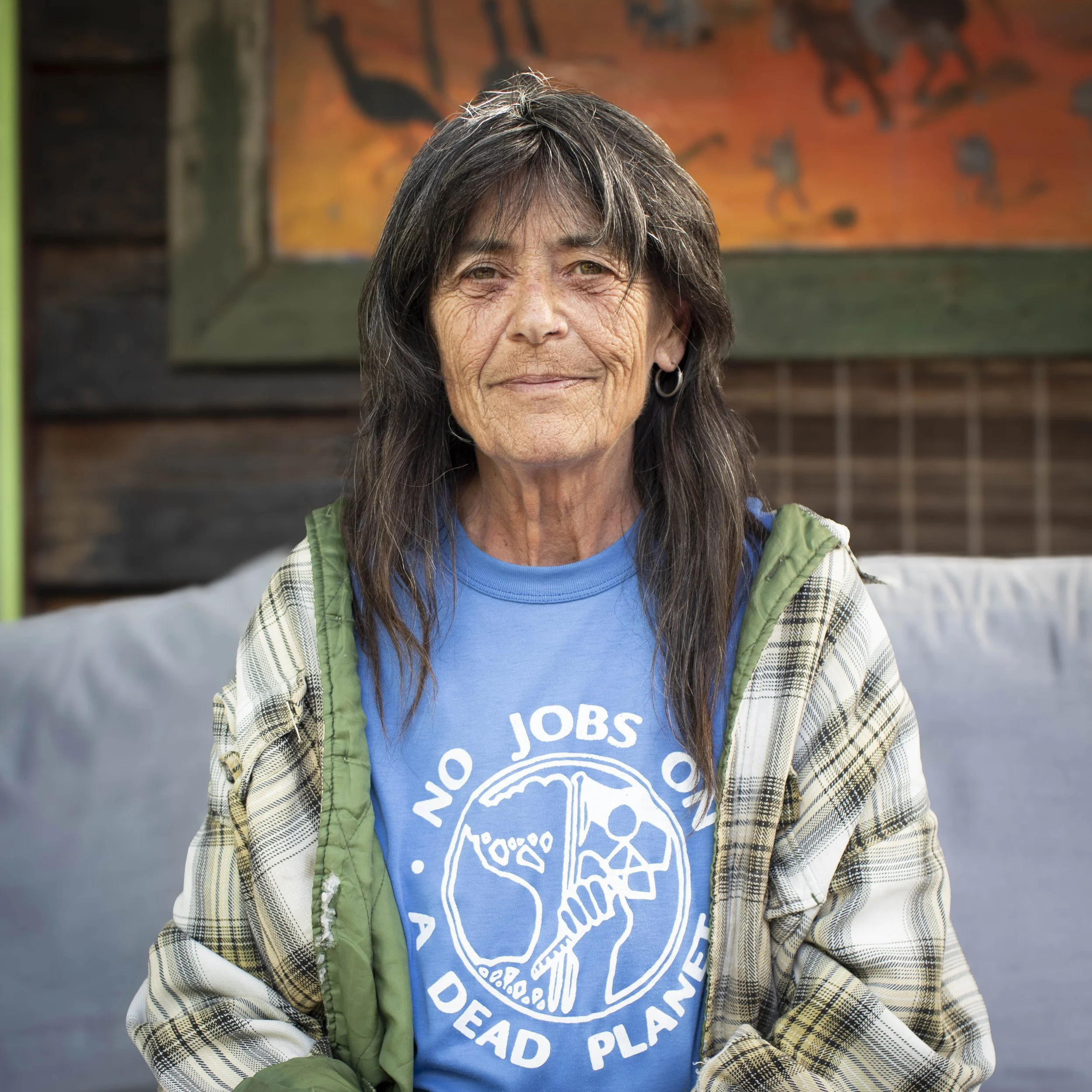
Nepean Peninsula - Gidja Walker
Recorded on the Nepean Peninsula, this episode follows a walk with ecologist, ethnobotanist and artist Gidja Walker OAM through a landscape of Coastal Moonah Woodland and Calcareous Swales. Gidja has spent more than four decades helping people understand and care for the Mornington Peninsula, building an extraordinary knowledge of its plants, animals, geology and ecological relationships.
As we explore the landscape and spend time in Gidja’s garden, our conversation moves through ancient Moonah, fungi, orchids, lost fauna, fire, conservation and the wildlife still living around us. Her garden is an average-sized house block, but it has become functioning habitat for swamp rats, blue-tongued lizards, microbats, birds, insects and a remarkable diversity of local plants.
Gidja has a remarkable ability to connect the different parts of the natural world. She draws together history, cultural knowledge, detailed science and personal experience to explain how landscapes function and why even small ecological interactions matter. Her curiosity and decades of experience make this a conversation about much more than one place. It is also about protecting what remains, making space for nature around us, and understanding just how connected the natural world really is.
Episode 15
Royal Botanic Gardens Cranbourne - Eilish Roberts
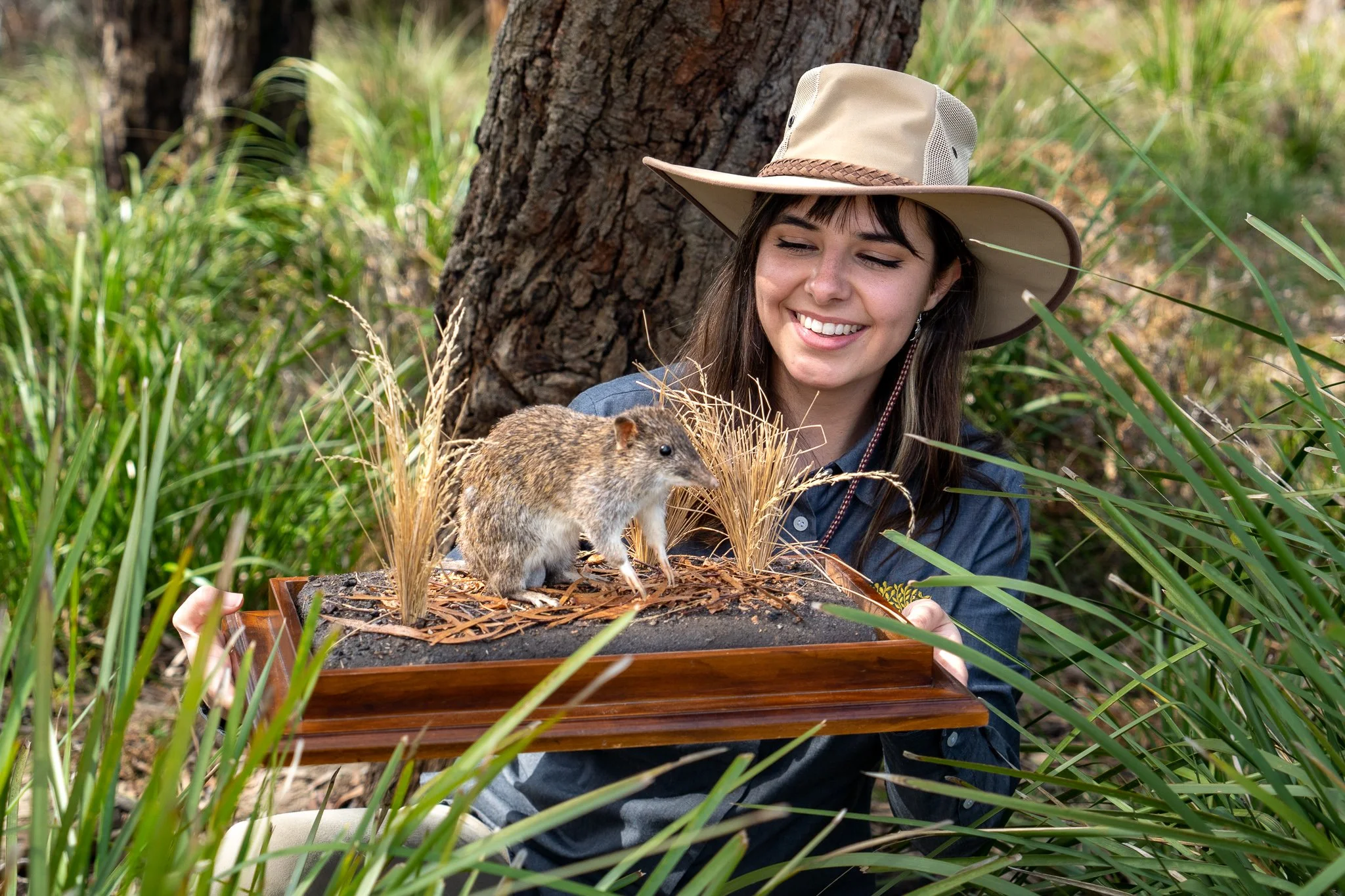
Recorded at the Royal Botanic Gardens in Cranbourne, this episode follows a walk with Eilish Roberts, Southern Brown Bandicoot Outreach Officer at Royal Botanic Gardens Victoria. Around 350 hectares of remnant vegetation, including heathlands, wetlands and woodlands, sit alongside the Australian Garden, providing important habitat for wildlife on Melbourne’s growing southeastern edge.
Southern Brown Bandicoots were once among the most common mammals around Melbourne. Today their populations are much more fragmented, making Cranbourne one of their most important remaining strongholds.
As we walk, Eilish explains what bandicoots need to thrive, why they are such important ecosystem engineers, and what their future might look like in an increasingly urban landscape. We talk about habitat, connectivity, indigenous vegetation and the role communities can play in keeping this endangered mammal part of Melbourne’s suburbs.
Episode 16
Mullum Mullum Park - David De Angelis
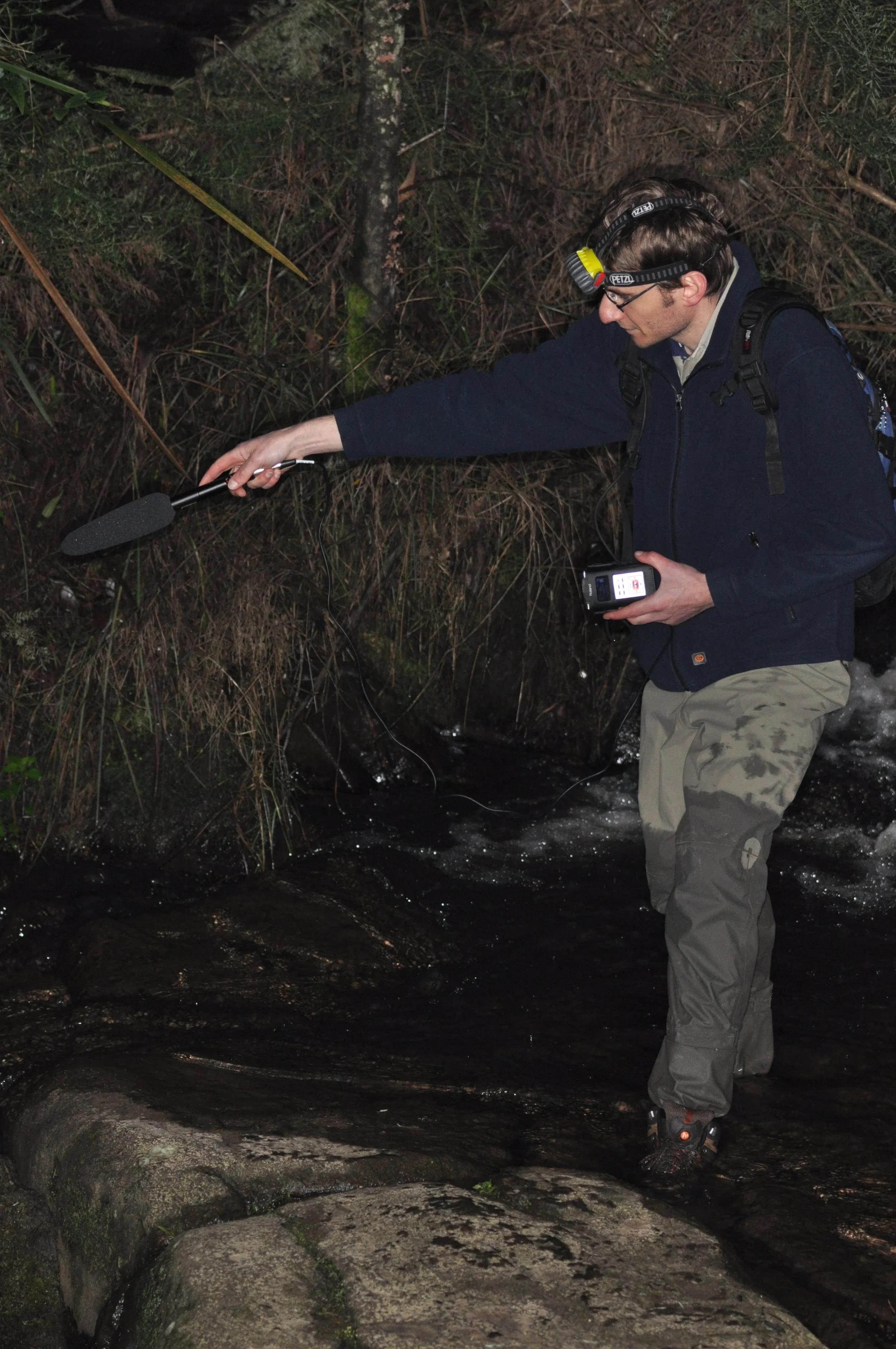
Recorded at Mullum Mullum Park in Donvale, this episode follows a walk with ecologist and herpetologist David De Angelis, President of Frogs Victoria. The reserve forms part of the Mullum Mullum Valley, a network of bushland and creek habitat in Melbourne’s east.
David opens up a world that many of us rarely notice, from the threatened Southern Toadlet to snakes, frogs and burrowing crayfish. We talk about the decline of Southern Toadlets around Melbourne, chytrid fungus, and the remarkable diversity of wildlife that still survives here.
We also hear about the community campaign that helped protect the valley from an open-cut freeway. Today, thousands of people travel through the EastLink tunnels beneath this bushland, perhaps without ever knowing what lives above them. Along the way, an unexpected encounter with a Tiger Snake takes the conversation in a different direction.
Episode 17
Darebin Creek, Reservoir - Neil Blake
Recorded along Darebin Creek in Reservoir, this episode follows a walk with Neil Blake OAM, Port Phillip Baykeeper, founding director of the Port Phillip EcoCentre and, in his own words, a “Tawny Tragic”. The creek is a place Neil knows intimately, having spent years walking its banks and observing its wildlife.
We search for Tawny Frogmouths and visit nesting and roosting sites Neil has been monitoring along the creek. Neil talks about growing up beside the Murray River, becoming a St Kilda park ranger, and a lifetime of working with urban nature. We explore citizen science, waterways, microplastics, Little Penguins and the importance of getting people to notice and care about the nature around them.
Along the way, Neil reflects on the role communication, relationships and creativity have played in his conservation work, from the early days of Earthcare to protecting penguins and experimenting with new ways of getting environmental messages across. We finish among Imperial Blue Butterflies beside the creek, talking about another important part of Neil’s life: music. The episode ends with a song written and performed by Neil on Darebin Creek, with the sounds of the creek as his backing band.